Incident Response 101: What To Do Right After a Volunteer Gets Hurt
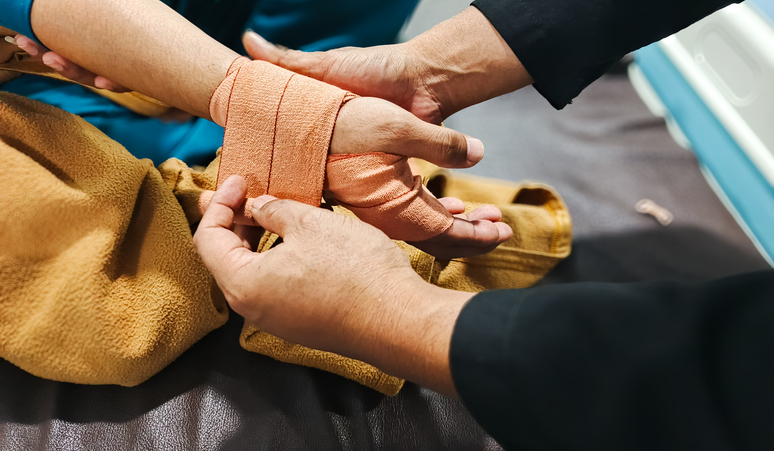
Even the most well-run volunteer programs experience injuries from time to time. A slip, a fall, or an unexpected strain can happen despite good planning and training. When it does, the first few minutes matter. So, what should a nonprofit do immediately after a volunteer is injured?
A straightforward, well-practiced volunteer accident process helps organizations respond calmly, protect the injured volunteer, and avoid unnecessary confusion. Incident response is not just an insurance issue. It is a leadership responsibility that reflects how seriously an organization takes safety and accountability.
What To Do in the First Minutes After a Volunteer Injury
The priority after any injury is the volunteer’s well-being. Make sure the person receives appropriate medical attention, whether that means basic first aid or calling for emergency services. If the area presents an ongoing hazard, take reasonable steps to prevent further injuries.
Staying calm sets the tone. Volunteers and staff look to leadership for direction in moments of stress. Support the injured volunteer without speculating about fault or making statements that may lead to misunderstandings. Now is also the time to follow your organization’s established chain of command. Supervisors must be notified promptly and provide guidance on the next steps.
Clear leadership during these first moments reinforces trust and helps keep the situation from escalating.
Why Documentation and Communication Matter
Once immediate needs are addressed, documentation becomes essential. Early, factual records help everyone stay aligned and reduce confusion later. Where an insurance claim might be involved, documentation is very important. Capture basic information while details are fresh.
Key elements typically include the time and location of the injury, what the volunteer was doing at the time, and who witnessed the incident. Identifying witnesses and noting environmental conditions can also be helpful. The goal is clarity, not complexity.
Timely internal communication is just as important. Information should move quickly to the appropriate staff or leadership so decisions are consistent and informed. Guidance from the workplace safety authority, the Occupational Safety and Health Administration, emphasizes the value of prompt reporting and clear procedures following an injury.
How the Volunteer Accident Process Supports Insurance and Risk Management
A defined volunteer accident response process supports smoother coordination with insurance programs when an injury occurs. Volunteer accident insurance is designed to help address medical expenses for volunteers injured while performing approved activities. Timely reporting and complete information help avoid delays and repeated follow-up.
Consider a simple example. A volunteer twists an ankle during a service activity and seeks medical care later that day. If the incident was not documented promptly or reported through the proper process, questions may arise about when and how the injury occurred. Clear procedures reduce that uncertainty and help everyone move forward more efficiently.
Strong processes also support broader nonprofit risk management by reinforcing consistency and accountability across the organization.
Preparing Now for a Better Response Later
The best time to think about incident response is before an injury occurs. Written procedures, trained supervisors, and clear communication channels make it easier to act decisively when something goes wrong. Leadership plays a central role in setting expectations and modeling preparedness, a theme we explore further in the article Why Volunteer Leadership Is Front Seat, Not Back Seat.
Organizations that invest in a clear volunteer accident process are better positioned to protect volunteers, manage risk, and maintain confidence during challenging moments. To learn more about volunteer accident insurance and response planning, contact VIS today. VIS members enjoy 24/7 access to the “VIS Vault” of risk management resources, including dozens of “Preventer Papers” addressing injury prevention and vehicle safety. These documents are very useful for small-group safety training or for giving to volunteers individually.
FAQ About Incident Response
Should volunteers seek medical care on their own after an injury?
Volunteers should receive appropriate medical attention based on the situation. Organizations should require volunteers to report injuries promptly to the volunteer’s supervisor.
Who should your organization notify when a volunteer gets hurt?
Supervisors and designated leaders should notify the appropriate parties, including any insurance companies whose policies might respond, and direct next steps in accordance with the organization’s incident response procedures.
How soon should an incident be reported to the insurance program?
Incidents should be reported as soon as reasonably possible. Timely reporting supports smoother handling and reduces delays.
About VIS
Volunteers Insurance Service Association, Inc. (VIS) is a membership organization serving more than 3,500 volunteer-based nonprofit organizations and public entities nationwide. VIS is the only association that offers these three insurance programs designed specifically for volunteers: volunteer accident, volunteer liability, and volunteer excess automobile liability.
If you are interested in protecting your volunteers through the unique VIS insurance program, please click on the “Get volunteer insurance now” link on the home page, or call 800.222.8920. For more information on VIS’s risk-management resources for members and our vendor partners, click on the “Member Benefits” tab.