Transportation Isn’t Just “Driving”: Safer Pick-Ups, Drop-Offs, and Door-Through-Door Help
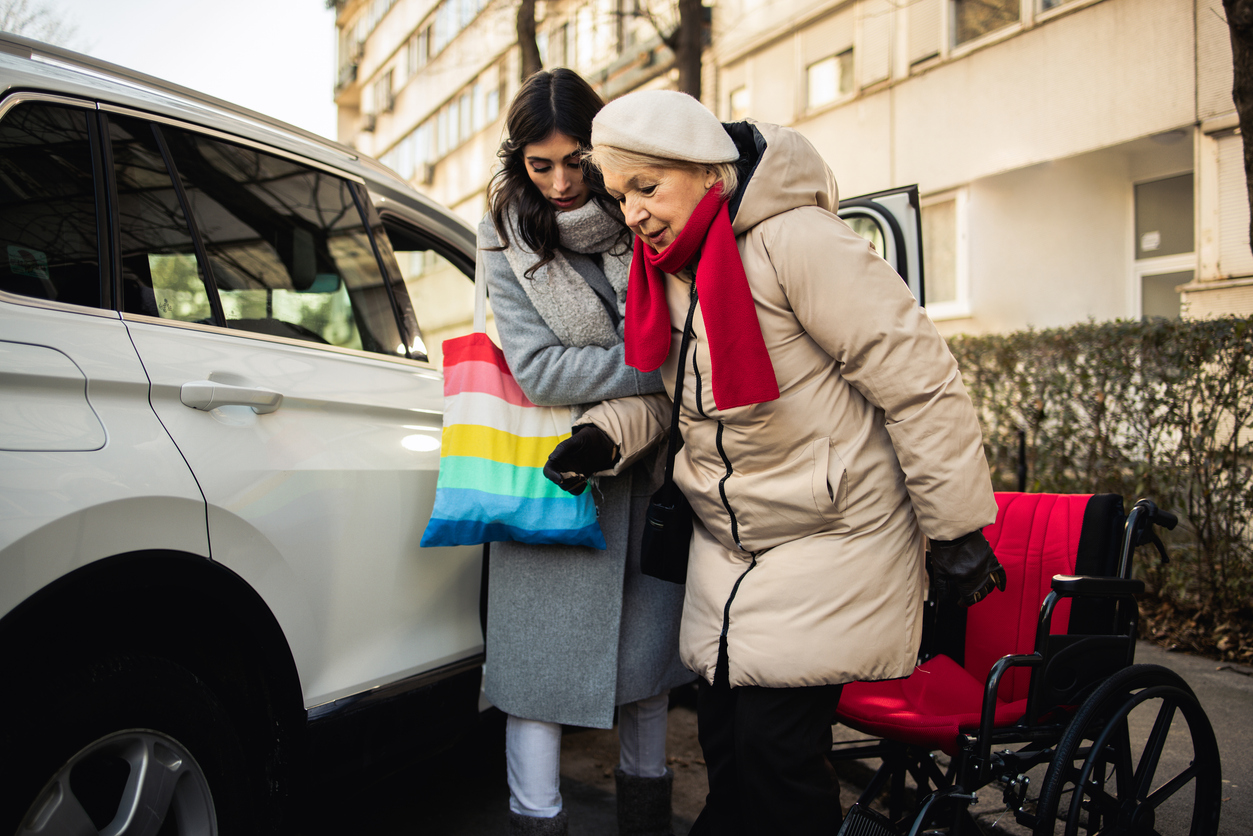
What is volunteer auto liability, and does our nonprofit need it? Many leaders assume transportation risk begins and ends with a traffic collision. In reality, exposure starts the moment a volunteer pulls up for a pickup and continues until the client is safely inside the destination.
Recognizing where that liability arises — and how to manage it — is essential for organizations that rely on volunteers to transport clients, deliver services, or run errands. As a membership organization serving more than 3,500 volunteer-based nonprofits and public entities nationwide, VIS helps organizations understand how volunteer auto liability fits into a broader risk-management strategy.
What Is Volunteer Auto Liability?
Volunteer auto liability refers to bodily injury or property damage arising from a volunteer’s use of a personal or organizational vehicle while performing assigned duties. A significant share of crashes occur at intersections each year, where turning vehicles, pedestrians, and limited visibility increase the likelihood of collisions. Volunteer drivers navigate these environments while transporting clients to medical appointments, community centers, or service locations.
However, transportation exposure does not occur only in active traffic. Nonprofits also face liability during routine pickup and drop-off situations.
VIS’s Fundamentals of a Volunteer Risk Management System highlights that liability risks can involve:
- Backing incidents in driveways
- Clients attempting to enter a vehicle while it remains in gear
- Door-related injuries during pickup or drop-off
- Clients falling while exiting a vehicle
- Miscommunications about wheelchair or walker assistance
These routine moments can escalate when volunteers lack clear procedures. Liability arises when someone alleges negligence. If a volunteer did not follow training — or if the organization failed to properly screen, train, or supervise — the claim may extend to the nonprofit itself.
How Can Nonprofits Reduce Volunteer Auto Liability Risk?
Because transportation exposure extends beyond driving, nonprofits need structured procedures that address the entire transportation process — from driver screening to passenger assistance and insurance protection.
Screen and Supervise Volunteer Drivers
Start with consistent screening and oversight of volunteers who drive on behalf of the organization:
- Obtain and review motor vehicle records at least annually.
- Verify valid driver’s licenses and required vehicle inspections
Ongoing supervision helps ensure that volunteers continue to meet safety expectations.
NOTE: VIS’s partner Sure Check offers background screening services appropriate for volunteer drivers. For details, click “Member Benefits” at the top of the page.
Establish Clear Transportation Procedures
Transportation claims can arise during pickup and drop-off interactions, not just during active driving. Written procedures help volunteers handle these situations consistently and safely.
- Train volunteers not to move the vehicle until clients are seated and secured.
- Require that vehicles remain in park before doors unlock.
- Provide written procedures for assisting passengers with walkers or wheelchairs.
Organizations should also develop a formal nonprofit risk-management framework that addresses screening, training, supervision, and incident response. Clear policies help volunteers understand how to manage common situations such as passenger assistance, mobility devices, and curbside pickups.
Use Risk Transfer To Protect Organizational Resources
Volunteer insurance provides another crucial layer of protection, protecting volunteers and organizations in the event of accidents or allegations. Coverage such as volunteer accident insurance and volunteer liability insurance helps address medical costs, legal defense, and claims that could otherwise strain organizational resources. VIS offers insurance designed specifically for volunteer drivers. It provides up to $500,000 in additional liability limits, should a volunteer cause a vehicle accident and have insufficient limits on his or her personal auto policy.
Providing separate insurance protection for volunteers helps ensure that claims involving volunteers do not erode the liability limits your organization relies on to protect its operations and staff. When volunteers share the same liability limits as the organization, a serious claim can exhaust coverage and leave the nonprofit underinsured.
Transportation Risk Is About Systems, Not Just Drivers
Even careful drivers create liability exposure when structured procedures are not in place.
Safe transportation requires:
- Thoughtful screening
- Written protocols
- Consistent supervision
- Clear communication with clients
- Prompt incident reporting
Transportation safety does not stop at defensive driving. It extends to how volunteers greet clients, secure mobility devices, navigate curbs, and confirm safe entry into a building.
If your organization provides transportation, review your policies now. Confirm that you have appropriate nonprofit volunteer insurance and structured training that addresses the entire transportation cycle.
For details about the specialized volunteer insurance VIS offers, click the “VIS is…” tab at the top of the page and scroll down to the FAQ section.
VIS members enjoy 24/7 access to the VIS Vault, a collection of risk-management resources, including dozens of training materials on injury prevention and vehicle safety. These documents work well for small-group safety training or individual volunteer education.
FAQ About Auto Insurance for Nonprofits
What is volunteer auto liability, and does our nonprofit need it?
Volunteer auto liability covers bodily injury and property damage arising from volunteers’ use of vehicles for assigned duties. If your volunteers drive clients, deliver goods, or run errands on behalf of your organization, you face this exposure.
Does personal auto insurance protect the nonprofit?
A volunteer’s personal auto policy primarily protects the vehicle owner. It does not replace the need for organizational procedures or separate volunteer liability protection.
Are parking lot and driveway incidents really a concern?
Yes. Many vehicle-related injuries occur while backing, unloading, or assisting passengers rather than during highway travel.
How often should we review driving records?
VIS recommends obtaining motor vehicle records at least annually for volunteers who drive as part of their assignments.
About VIS
Volunteers Insurance Service Association, Inc. (VIS) is a membership organization serving more than 3,500 volunteer-based nonprofit organizations and public entities nationwide. VIS is the only association that offers these three insurance programs designed specifically for volunteers: volunteer accident, volunteer liability, and volunteer excess automobile liability.
If you are interested in protecting your volunteers through the unique VIS insurance program, please click on the “Get volunteer insurance now” link on the home page, or call 800.222.8920. For more information on VIS’s risk-management resources for members and our vendor partners, click on the “Member Benefits” tab.