Service-Day Surge: How To Protect One-Day Volunteers Without Chaos
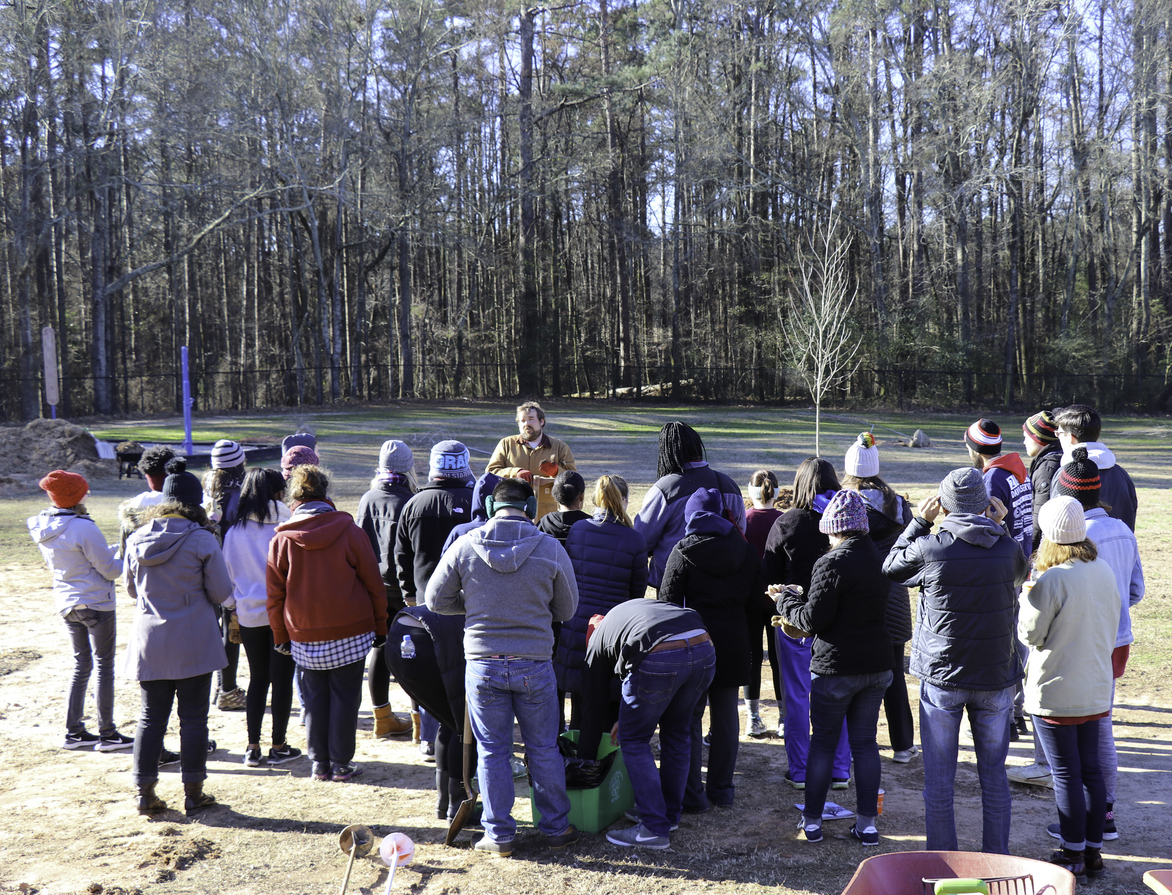
Each January, organizations across the country experience a surge in volunteer interest tied to Martin Luther King Jr. Day and other national and community service days. These events bring energy, visibility, and meaningful impact. They also introduce operational pressure when large numbers of volunteers arrive for a single day. For nonprofit leaders, the challenge is clear: How can nonprofits safely manage one-day volunteer events like MLK Day of Service without creating confusion or risk?
The answer starts with preparation. Thoughtful planning, clear supervision, and the right volunteer insurance coverage allow organizations to welcome short-term volunteers while protecting both people and programs.
Why One-Day Volunteer Events Create Unique Risks
One-day volunteers differ from regular volunteers in important ways. Many are new to the organization, unfamiliar with facilities, and eager to help without fully understanding the environment or expectations. Orientation time is limited, schedules are compressed, and supervisors may be responsible for managing larger groups than usual.
These conditions increase the likelihood of common issues such as minor injuries, miscommunication, or volunteers taking on tasks they were not prepared to handle. Even well-organized service days can experience gaps in oversight due to volume and time constraints. When something goes wrong, the absence of clear procedures can turn a small incident into a disruptive event.
What To Plan Before a Service Day Begins
Successful service days are built before volunteers arrive. Planning ahead reduces last-minute decisions and helps everyone stay focused on the mission.
Key steps include defining tasks clearly and keeping them appropriate for short-term volunteers. Instructions should be simple, written, and reinforced verbally at the start of the day. Visible supervision matters, especially when volunteers are spread across multiple locations or activities.
Are formal processes necessary for a single-day event? In practice, structure becomes more important, not less, when time is limited. Assigning responsibility for supervision and incident response ensures that volunteers know who to turn to with questions or concerns. VIS guidance on volunteer engagement emphasizes “meeting volunteers where they are,” meaning don’t overcomplicate. For example, begin with simple tasks that do not require extensive training.
How Volunteer Insurance Coverage Helps Reduce Chaos
Even with careful planning, service days carry inherent risk. A volunteer may slip while moving supplies, strain a muscle during cleanup, or experience an unexpected injury. When coverage is unclear, organizations may scramble to determine next steps, creating stress for staff and volunteers alike.
Volunteer insurance coverage is designed to address these situations. Coverage such as volunteer accident insurance helps manage medical expenses when a volunteer is injured during approved activities. Volunteer liability coverage can help protect against claims arising from accidental injury or property damage. Clear coverage reduces uncertainty and allows organizations to respond calmly and consistently when incidents occur. For details about the specialized volunteer insurance VIS offers, click the “VIS is…” tab at the top of the page and scroll down to the FAQ section.
Insurance supports preparation rather than replacing it. When combined with planning and supervision, coverage helps organizations manage service-day surges without unnecessary disruption.
Making Service Days Impactful and Manageable
Service days honor community, service, and shared purpose. With the proper preparation, they do not have to create chaos behind the scenes. Clear roles, realistic task planning, visible supervision, and appropriate volunteer insurance coverage allow organizations to focus on impact rather than damage control.
As service days continue to draw large numbers of volunteers each year, proactive risk management becomes essential. To learn how VIS helps organizations protect one-day volunteers through specialized insurance programs and risk management resources, click the “VIS is…” tab at the top of the page or contact VIS today at 800.222.8920.
FAQ About One-day Volunteers
Are one-day volunteers covered the same way as regular volunteers?
Yes, the VIS program protects volunteers whether they volunteer one day or every day.
What risks are most common during service days?
Common risks include minor injuries, slips and falls, overexertion, and miscommunication caused by limited orientation time.
How much preparation is reasonable for a single-day event?
Even brief planning makes a difference. Clear task definitions, safety reminders, assigned supervisors, and documented procedures help reduce risk during high-volume events.
About VIS
Volunteers Insurance Service Association, Inc. (VIS) is a membership organization serving more than 3,500 volunteer-based nonprofit organizations and public entities nationwide. VIS is the only association that offers these three insurance programs designed specifically for volunteers: volunteer accident, volunteer liability, and volunteer excess automobile liability.
If you are interested in protecting your volunteers through the unique VIS insurance program, please click on the “Get volunteer insurance now” link on the home page, or call 800.222.8920. For more information on VIS’s risk-management resources for members and our vendor partners, click on the “Member Benefits” tab.