Volunteer Drivers Using Their Own Vehicles: What Organizations Often Miss
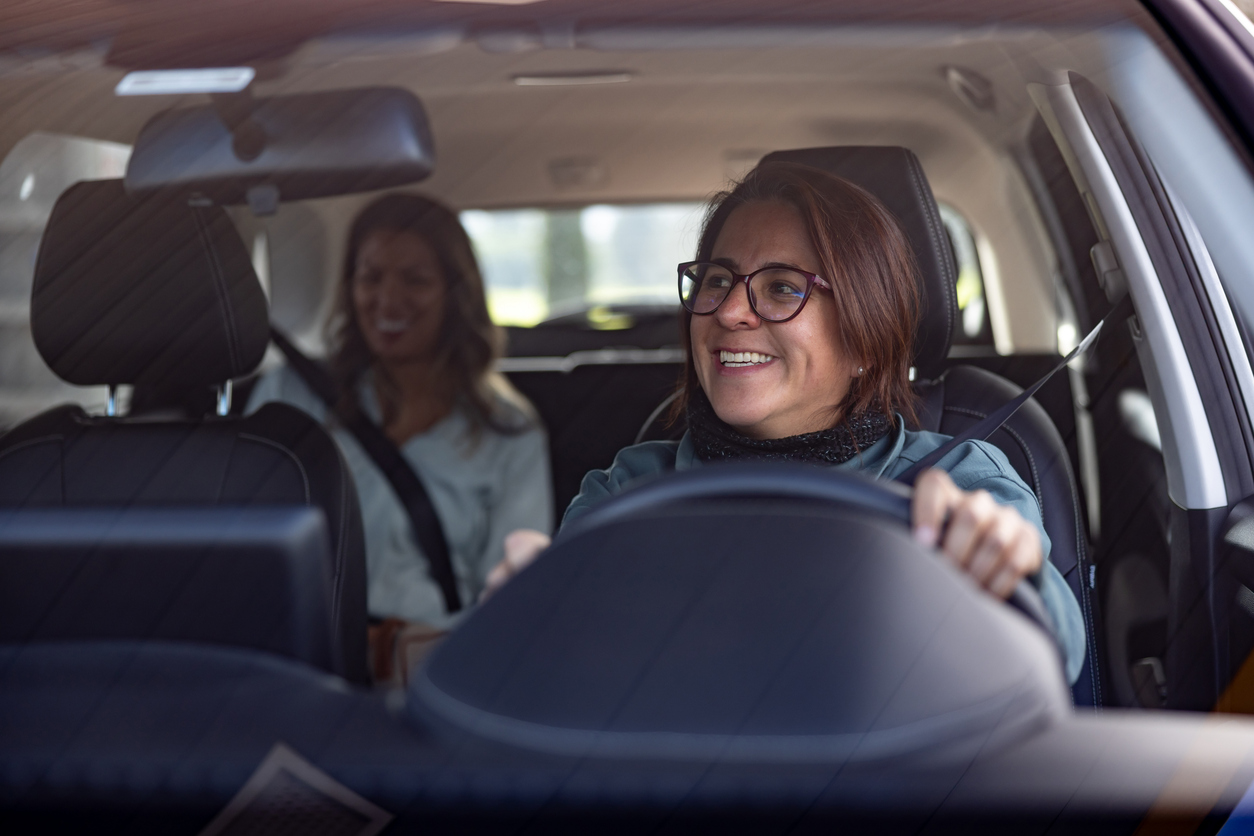
Picture this: A volunteer loads donated supplies into her personal vehicle and heads to a community event on behalf of your nonprofit. Three blocks from the venue, she rear-ends a pickup truck at a red light. The other driver suffers a back injury and files a claim. The next morning, a question hits your desk that most organizations aren’t prepared to answer: Who pays?
The instinct is to say, “The volunteer’s car insurance handles it.” Often it does — but that doesn’t mean it’s enough. Many volunteers carry only the minimum liability limits required by their state, and those minimums can be exhausted quickly in a serious accident. Your organization’s commercial auto policy typically offers no help in that situation, and adding volunteers to it isn’t the answer, either. Volunteer automobile liability insurance exists to solve exactly that problem: giving volunteers the additional protection they need, without putting your organization’s own coverage at risk.
Knowing where personal coverage ends — and what fills that gap — is the difference between a manageable incident and a lawsuit with your organization’s name on it.
Why Personal Auto Insurance Isn’t Always Enough
Most people assume that if a volunteer uses their own car and their own gas, their own insurance covers whatever happens. That’s often true — as far as it goes. The problem isn’t that personal auto insurance won’t respond. The problem is that it may not respond with enough.
Every state sets a minimum liability requirement for drivers, but those floors are low. A volunteer carrying only state-minimum coverage may have $25,000 or $50,000 in liability protection. In a serious accident — one involving significant injuries, lost wages, or long-term medical care — that limit can disappear quickly. Once a volunteer’s personal policy pays out its maximum, the injured party’s attorney will look for other responsible parties. Your nonprofit, which assigned the driving duty and benefited from the trip, can be named in the resulting lawsuit.
Consider the scenario again: The volunteer rear-ends a pickup. The other driver’s medical bills and lost wages total $175,000. The volunteer carries $100,000 in liability coverage. Without additional coverage in place, your organization could be responsible for the $75,000 difference — plus legal costs.
Personal auto policies vary significantly by insurer, and liability limits vary even more by driver. There is no universal floor high enough to protect your organization when the stakes are serious.
Are Volunteers Covered by Their Own Car Insurance When Driving for a Nonprofit?
This is a question the Nonprofit Risk Management Center identifies as one of the most common areas of confusion for volunteer-based organizations. The honest answer: sometimes yes, sometimes no. State-to-state differences in liability exposure and insurance requirements complicate matters further — what applies in one state may not apply in another.
Three variables determine whether a volunteer’s personal policy responds adequately:
- The volunteer’s individual policy terms and liability limits
- The nature and severity of the accident and the resulting damages
- Whether the nonprofit has coverage of its own that can respond when the volunteer’s limits run out
“We assumed they were covered” is not a risk-management strategy. Nonprofits have a responsibility to understand the exposure before assigning driving duties, not after filing an accident report.
There’s another layer of difficulty: Some volunteers won’t know their own limits. A volunteer who’s carried the same policy for years may not realize how low their liability coverage actually is. Others may not want to disclose lower limits for fear of being removed from the volunteer driver pool. Neither situation protects your organization, and both underscore why organizational-level coverage matters.
What Should Nonprofits Ask Before a Volunteer Gets Behind the Wheel?
A written volunteer driver policy is a best practice — not just for risk management but also because it signals to volunteers that the organization takes their safety seriously. Before any volunteer drives on behalf of your nonprofit, a basic pre-screening process should cover the following.
Driver Qualifications
- Does the volunteer hold a valid, current driver’s license?
- Have they had any traffic violations or at-fault accidents in the past three years?
- Are there any medical conditions or medications that could impair their ability to drive safely?
Insurance Verification
- What are the volunteers’ current liability limits?
- Is the coverage current, and has the volunteer verified their policy is in force?
- Are those limits high enough to cover a serious accident involving significant injuries or property damage?
Vehicle Condition
- Is the vehicle properly registered and insured?
- Does it meet basic safety standards, including working seatbelts, functional lights, and adequate tire tread?
VIS members enjoy 24/7 access to the VIS Vault, a collection of risk-management resources, including dozens of “Preventer Papers” on injury prevention and vehicle safety. These documents work well for small-group safety training or for individual distribution to volunteers. Also, VIS members enjoy preferred rates for access to the National Traffic Safety Institute’s online driver safety program, and preferred rates for background screening that can include Motor Vehicle Records. (See “Member Benefits” for more information.)
How Volunteer Excess Automobile Liability Coverage Fills the Gap
Excess automobile liability coverage activates when a volunteer’s personal policy pays its limit and damages remain outstanding. Your organization’s own commercial auto policy typically won’t cover volunteer drivers at all. And adding volunteers to your organization’s policy isn’t a sound workaround. When you add volunteers as insureds to your organization’s policy, you share your available limits among all drivers in your volunteer pool. A series of volunteer auto incidents — or one serious one — can deplete the very coverage your organization depends on and potentially make it harder to find coverage at all in the future.
The far better approach is to cover your volunteers’ automobile liability exposure separately. VIS offers the only association-based insurance program built around three coverages designed specifically for volunteers: volunteer accident insurance, volunteer liability insurance, and volunteer excess automobile liability insurance. That structure reflects how volunteer risk actually works — accidents, liability, and vehicle use are three distinct exposures that require distinct protections.
Covering volunteer drivers separately also preserves your organization’s liability limits, reduces the risk that volunteer incidents affect your underwriting, and in many cases, offers volunteers broader protection than being added to your policy would have provided. It’s a win for the organization, and a win for the drivers who show up on your behalf.
That assurance matters to volunteers, too. When drivers know the organization has their back if something goes wrong, they’re more likely to stay engaged, recommend the volunteer program to others, and trust leadership. That trust has operational value that extends well beyond any single accident.
Protect Your Volunteers Before They Pull Out of the Driveway
Personal auto insurance alone is an unreliable safety net for nonprofits that depend on volunteer drivers. Liability limits that seem adequate can be exhausted quickly in a serious accident. Your organization’s own commercial coverage often won’t help. And adding volunteers to your policy trades one problem for another. The financial, legal, and reputational stakes are too high to leave to chance.
If your organization assigns driving duties to volunteers, the time to ask hard questions about coverage is now — before anyone is behind the wheel on your behalf.
For details about the specialized volunteer insurance VIS offers, click the “VIS is…” tab at the top of the page and scroll down to the FAQ section.
FAQ: When Volunteers Drive Their Personal Cars
What if a volunteer only drives occasionally?
Occasional driving still creates liability exposure. A volunteer who drives once a month carries the same risk per trip as one who drives weekly. Frequency doesn’t change the potential severity of an accident or your organization’s possible involvement in a resulting claim.
Does this apply to volunteers who receive mileage reimbursement?
Yes. Mileage reimbursement doesn’t transfer liability and doesn’t change how a personal auto insurer may treat a claim. Reimbursement is a financial arrangement between the volunteer and the organization. It does not create a commercial insurance relationship.
What if a volunteer says they have “full coverage”?
“Full coverage” is a colloquial phrase, not an insurance term. It typically refers to a combination of collision and comprehensive coverage, which protects the volunteer’s own vehicle. It says nothing about liability limits, which is what matters when a volunteer causes injury or property damage to someone else. Always ask for documentation of specific liability limits.
About the Author
William R. Henry, Jr. is Vice President and Director of Member Benefits at Volunteers Insurance Service Association, Inc. (VIS), where he leads membership development and delivers risk-management solutions tailored to volunteer-based organizations nationwide. A recognized authority on volunteer risk management, he is a frequent speaker and author on best practices for safe and effective volunteer engagement. He is accredited by the International Association of Business Communicators. With a background in communications, journalism, and public affairs, Henry brings a strategic perspective to supporting nonprofit organizations across the United States.
About VIS
Volunteers Insurance Service Association, Inc. (VIS) is a membership organization serving more than 3,500 volunteer-based nonprofit organizations and public entities nationwide. VIS is the only association that offers these three insurance programs designed specifically for volunteers: volunteer accident, volunteer liability, and volunteer excess automobile liability.
If you are interested in protecting your volunteers through the unique VIS insurance program, please click on the “Get volunteer insurance now” link on the home page, or call 800.222.8920. For more information on VIS’s risk-management resources for members and our vendor partners, click on the “Member Benefits” tab.