When Volunteers Use Their Own Equipment: Liability Questions Your Organization Should Answer First
A volunteer shows up with his or her own ladder to change a light fixture. Another brings a personal truck to haul donated furniture. A third arrives with a cordless drill to help assemble shelving. None of this is unusual, and none of it typically raises a flag, because the task gets done and everyone moves on.
But convenience is not the same as coverage, and few organizations have actually worked out what happens if that borrowed ladder tips, that truck is involved in a collision, or that drill causes an injury on-site. Before any of that happens, it is worth asking who is liable if a volunteer’s own equipment causes an injury or damage, and whether that gap was ever considered when the organization set up its volunteer liability insurance.
What Liability Questions Should Come Up Before a Volunteer Uses Their Own Equipment?
A few basic questions belong in every program’s planning, long before a volunteer picks up a tool. Is the equipment appropriate for the task at hand? Has the volunteer received any instruction on using it safely in this setting? Does the organization have a written policy on what volunteers may or may not bring to an assignment? Many programs assume that the equipment a volunteer owns is automatically the volunteer’s own risk to manage. That assumption often goes untested until something goes wrong.
Who Is Responsible if a Volunteer’s Equipment Causes an Injury or Property Damage?
Coverage discussions tend to focus on tools and vehicles the organization itself provides, but allegations of bodily injury or property damage made against volunteers can just as easily involve equipment the volunteer supplied. A program coordinator reviewing existing coverage should ask directly: Does our current policy address equipment volunteers bring from home? The National Park Service treats this scenario as significant enough to call out specifically, noting that volunteers using personal property, including a personal vehicle, warrant their own documented liability threshold within a volunteer service agreement. That same logic applies well beyond a federal program: an assignment involving a volunteer’s own equipment deserves its own look, not an assumption that existing coverage already accounts for it.
How Should Organizations Address This Gap Going Forward?
A short written policy closes much of this gap. Define which equipment is approved for volunteer use, who confirms it meets basic safety expectations, and how an incident involving that equipment gets reported. It is also worth insuring volunteers separately from the organization’s general liability policy. When a claim involves equipment a volunteer supplied, shared limits can be stretched thin fast, and insurance for volunteers designed around this kind of exposure keeps that risk from landing entirely on the organization’s broader coverage.
Answer These Questions Before the Equipment Shows Up
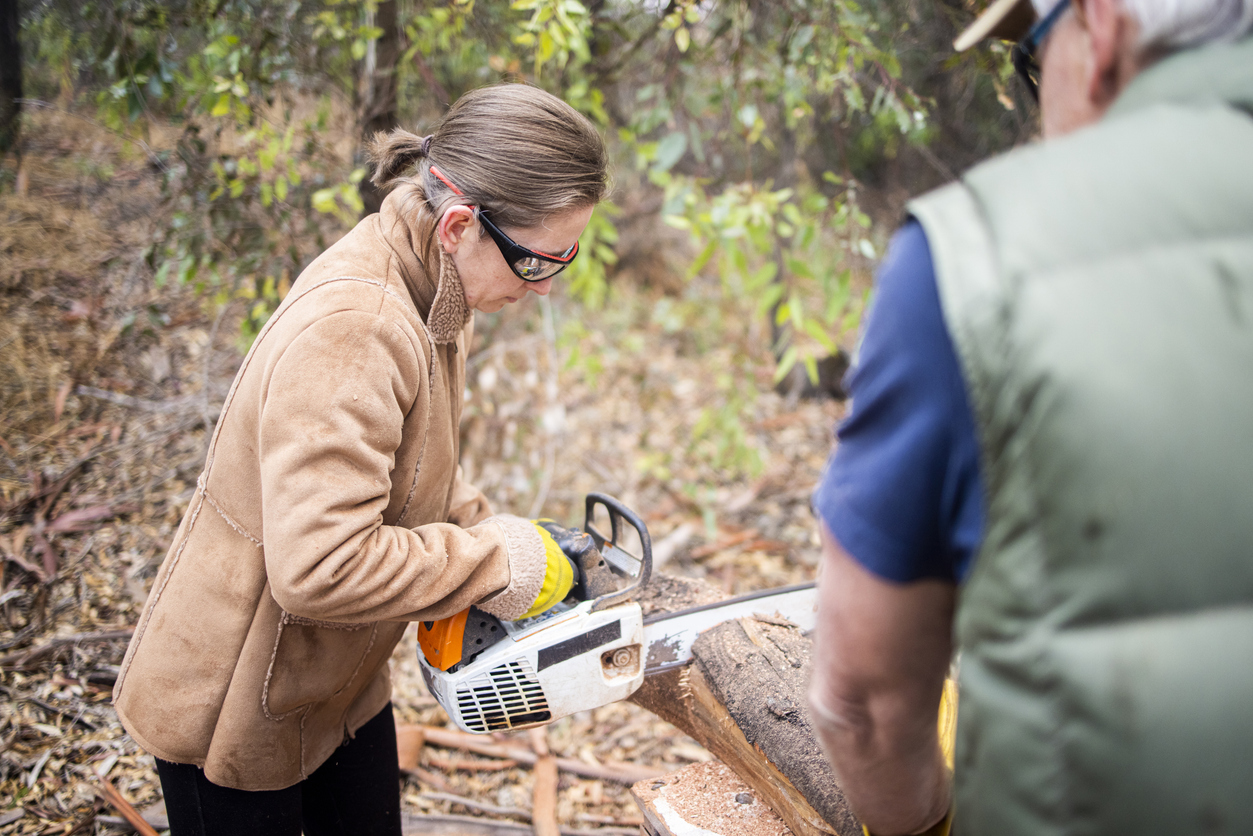
Sorting out equipment-related liability after an incident is far harder than addressing it in advance. Some programs handle this by requiring hands-on training before certain equipment is used at all; the U.S. Forest Service, for example, requires volunteers to complete a training course before they are permitted to operate a chainsaw on a project.
Others draw a clear line through a written agreement that spells out which equipment is covered under the organization and which remains the volunteer’s personal responsibility. A sound policy applies the same training standard regardless of who owns the equipment; a volunteer using his or her own saw needs the same instruction as one using the organization’s. A short conversation and a simple policy, worked out before the ladder or the truck or the drill arrives, saves a program from guessing under pressure later.
Do you have veteran volunteers train new ones in the safe use of tools and other equipment? It’s a good way to reinforce the veteran’s own knowledge, as well as train the new volunteer.
Member Benefits That Help Close the Gap
VIS members enjoy 24/7 access to the “VIS Vault” of risk management resources, including dozens of “Preventer Papers” addressing injury prevention and vehicle safety. These documents are useful for small-group safety training or for giving to volunteers individually. For details about the specialized volunteer insurance VIS offers, click the “VIS is…” tab at the top of the page and scroll down to the FAQ section.
If you are interested in protecting your volunteers through the unique VIS insurance program, please click on the “Get volunteer insurance now” link on the home page, or call 800.222.8920. For more information on VIS’s risk management resources for members and our vendor partners, click on the Member Benefits tab.
Volunteer Equipment FAQ
Who is liable if a volunteer’s own equipment causes an injury or damage?
Liability can fall on the volunteer, the organization, or both, depending on how the assignment was structured and what coverage is in place. Without a documented policy addressing personal equipment, organizations often discover the gap only after an incident occurs.
Does general liability insurance cover equipment a volunteer brings from home?
Not always. General liability policies are typically written around the organization’s own operations and property, and may not clearly extend to tools, vehicles, or equipment a volunteer supplies personally. This is why a separate review of volunteer-specific coverage matters before an assignment begins.
Should organizations require volunteers to use only organization-provided equipment?
It depends on the task and the program’s resources. Where personal equipment is allowed, a written policy defining approved equipment, safety expectations, and reporting steps gives the organization a documented framework rather than an informal assumption.
About the Author
William R. Henry, Jr. is Vice President and Director of Member Benefits at Volunteers Insurance Service Association, Inc. (VIS), where he leads membership development and delivers risk management solutions tailored to volunteer-based organizations nationwide. A recognized authority on volunteer risk management, he is a frequent speaker and author on best practices for safe and effective volunteer engagement. He is accredited by the International Association of Business Communicators. With a background in communications, journalism, and public affairs, Henry brings a strategic perspective to supporting nonprofit organizations across the United States.
About VIS
Volunteers Insurance Service Association, Inc. (VIS) is a membership organization serving more than 3,500 volunteer-based nonprofit organizations and public entities nationwide. VIS is the only association that offers these three insurance programs designed specifically for volunteers: volunteer accident, volunteer liability, and volunteer excess automobile liability.
If you are interested in protecting your volunteers through the unique VIS insurance program, please click on the “Get volunteer insurance now” link on the home page, or call 800.222.8920. For more information on VIS’s risk-management resources for members and our vendor partners, click on the “Member Benefits” tab.